Preparing Land in New Mexico for Construction
Preparing Land in New Mexico: What Every Builder Should Know
Preparing land in New Mexico comes with its own set of challenges and opportunities. From rocky soil to arid climates, understanding the local environment is key to successful land prep. Whether you're building a home or developing a larger project, starting with the proper groundwork makes all the difference.
At T & A Construction Services LLC, we specialize in turning raw land into build-ready lots across New Mexico. Here's what you need to know before you begin construction.
Understanding New Mexico’s Terrain and Climate
Dry Conditions and Soil Challenges
New Mexico’s dry climate can lead to compacted or rocky soil. Without proper testing and excavation, this can affect foundation stability.
Flash Flood Zones
Some areas are prone to sudden rainstorms that cause drainage problems. Preparing for proper water flow is critical in construction prep work.
Local Regulations
Land development rules vary by county. It’s important to get accurate land surveys and clear permits before starting any clearing or digging.
Land Clearing Essentials
Removing Vegetation and Debris
Before grading or excavation begins, clear out brush, cacti, trees, and debris. This opens up access and prevents fire hazards in dry seasons.
Equipment That Works in Rocky Soil
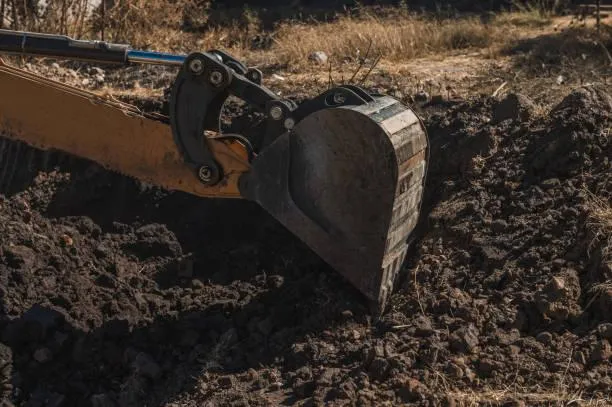
In many New Mexico regions, you’ll need heavy-duty machinery to break through hard-packed or rocky soil. Skid steers, dozers, and excavators get the job done fast and safely.
Managing Erosion
Use erosion control barriers like silt fencing or netting to protect cleared land from water and wind erosion.
Excavation and Grading for New Mexico Homes
Setting the Foundation
Proper excavation for homes involves removing weak topsoil, leveling the build area, and digging trenches for utilities.
Grading for Drainage
In a state where rain is rare—but heavy when it comes—grading is essential. It helps water drain away from your future home to prevent flooding or erosion.
Soil Compaction
Graded soil must be compacted to avoid foundation shifts later. Compaction also improves the stability of roads and driveways on rural lots.
Final Steps: Soil Testing and Surveys
Test the Soil First
Before pouring concrete, test the soil. Different parts of New Mexico have different soil types—from sandy deserts to clay-heavy regions. Soil testing tells you how to build safely.
Survey the Lot
A professional land survey marks your property lines, elevations, and easements. It's especially important when building on rural land or subdividing property.
Prepare for Utilities
During these final stages, plan for underground plumbing, electrical lines, and septic or water systems based on your land's layout and zoning.
FAQs – Preparing Land in New Mexico
Can I clear my land without a permit?
It depends on the county and land type. Always check local zoning rules first. Some areas require permits for tree removal, soil movement, or grading.
What type of soil is common in New Mexico?
You’ll find sandy, rocky, and clay soils depending on the region. Soil testing helps determine what type of foundation and drainage your lot needs.
How long does land prep take in New Mexico?
It varies by lot size and terrain, but most jobs take 3–7 days from clearing to grading—longer if permits or soil corrections are needed.
Start Your Build Right with T & A Construction Services LLC
Preparing land in New Mexico requires experience, local knowledge, and the right equipment. At T & A Construction Services LLC, we handle everything from clearing and excavation to surveys and soil testing—so your project starts with a strong foundation.
Contact our team for land prep services across New Mexico.